If you’re new to cooking or just need a refresher, this guide will help you understand the jargon so you can follow recipes with confidence. Whether you’re working with what you have or planning your next meal, knowing the right terms makes all the difference.
What Does ‘Fold’ Mean?
Fold is when you gently mix ingredients together using a folding motion. This usually happens when you want to combine things like egg whites and flour without knocking out the air in the egg whites. It’s a soft way of mixing that keeps your batter light and fluffy. If you’re making something like pancakes or soufflé, you’ll need this technique.
Fold is often used with delicate ingredients so they don’t lose their structure. When you fold, you move the spatula from the bottom up through the middle, then down again in a gentle motion. This helps to keep your mix airy and smooth without overworking it. It’s a skill that takes some practice but is very useful for many recipes.
What Does ‘Sear’ Mean?
Sear means to cook food quickly at high heat so the outside becomes crispy or browned, while keeping the inside juicy. This is commonly used with meats like steak or chicken breasts, and it helps lock in moisture. The key is not to overcook during this stage as you’ll want to finish cooking later.
To sear effectively, use a heavy pan on the stove and make sure the fat or oil is hot enough before adding your food. You should hear a sizzle when the ingredients hit the heat. This process usually takes just a few minutes but gives great results if done right. It’s important to watch carefully as it can go from perfect to burnt in seconds.
What Does ‘Reduce’ Mean?
Reduce means to cook down liquid until some of it has evaporated, making it thicker and more concentrated. This is often used with sauces or gravies so they become richer and deeper in flavour. The process usually involves simmering the mixture over low heat for a period of time.
When you reduce, you’re letting the water leave the pan slowly until you reach your desired consistency. It’s important to stir occasionally to prevent burning and ensure even cooking. Patience is key here as it can take a while for the liquid to thicken.
What Does ‘Simmer’ Mean?
Simmer means to cook food gently in liquid, usually at a temperature just below boiling. This is ideal for things like soups, stews and sauces where you want slow, even cooking without bubbling too vigorously. It’s a method that takes time but often results in rich and flavourful dishes.
When you simmer, the bubbles are small and steady rather than rolling or violent. You can tell it’s working when there’s a gentle bubble action throughout the liquid. This is good for tenderising tougher cuts of meat or softening vegetables over time. It’s also great for making stocks and broths that have depth of flavour.
What Does ‘Whisk’ Mean?
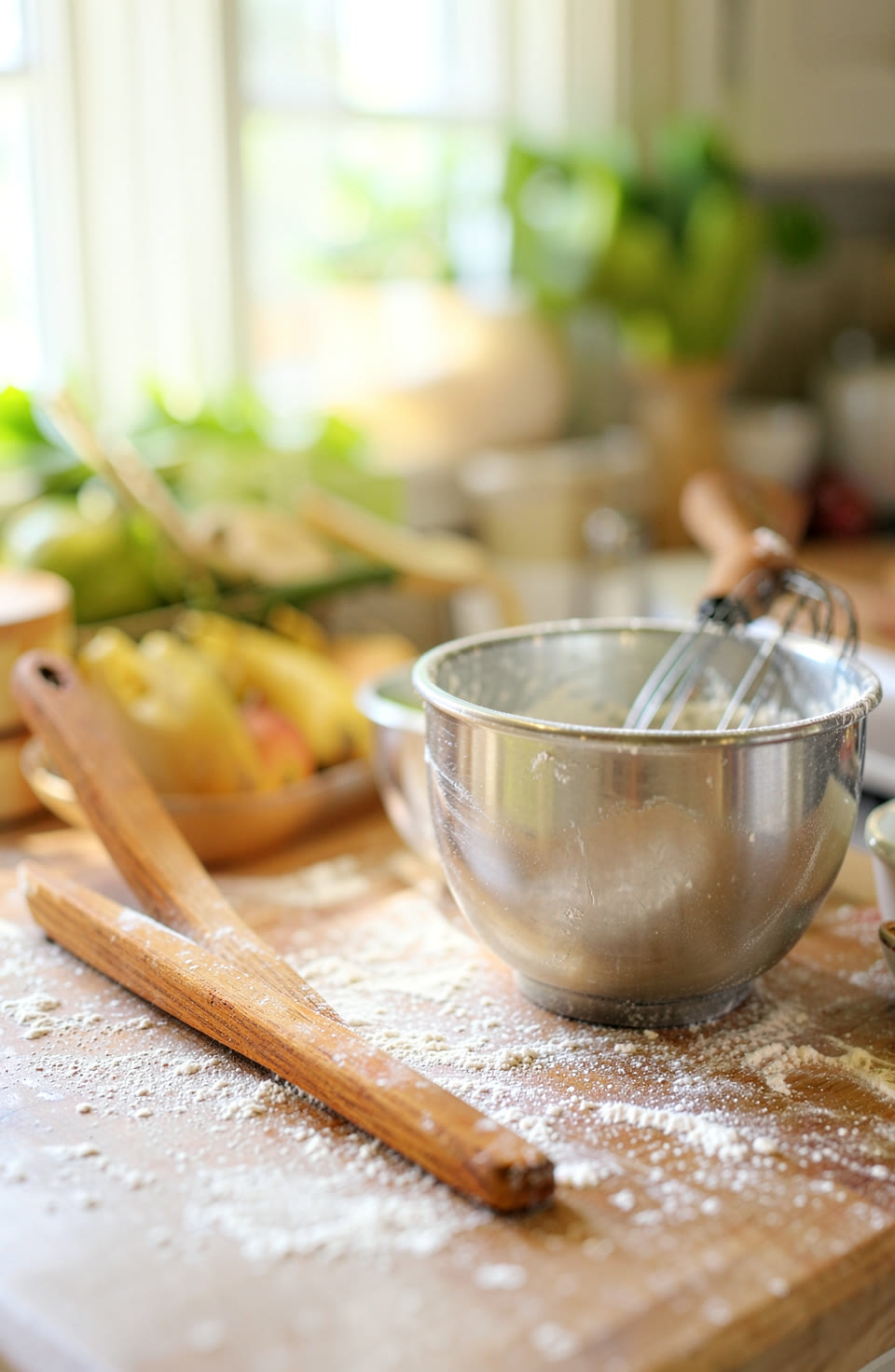
Whisk means to mix ingredients together using a whisk, which has wire loops on the end. This is used when you need to combine things quickly and thoroughly, such as egg whites into a batter or creaming butter and sugar. It helps incorporate air into the mixture so your final product is light and fluffy.
When you whisk, the motion should be fast but smooth, not too rough. The goal is to blend ingredients evenly without overworking them. This technique is commonly used in making sauces, soups and mixtures where aeration is important. It’s also useful for folding things like whipped cream or egg whites into other mixtures.
Frequently asked questions
What’s the difference between ‘fold’ and ‘whisk’?
Fold is a gentle way of mixing to keep ingredients light and airy, while whisk is used for thorough blending and incorporating air into batters. They are both useful but serve different purposes in cooking.
How do I know if I’m searing correctly?
You’ll hear a sizzle when the food hits the hot pan. The surface should start to brown quickly without burning, which means you’re doing it right. Keep an eye on it as this stage can go from perfect to overcooked in seconds.
Can I use a blender instead of whisking?
A blender is fine for some mixtures but not all. Whisking allows more control and helps with texture, especially when working with delicate ingredients like egg whites or cream. Blending may change the structure of your mix so it’s best used in specific cases.
Understanding cooking terms can make a big difference when you’re in the kitchen. With apps like CookIt, you can find recipes that work with what you have and avoid waste. No need to worry about tricky steps or confusing instructions – just cook with confidence.
More from AstroForged