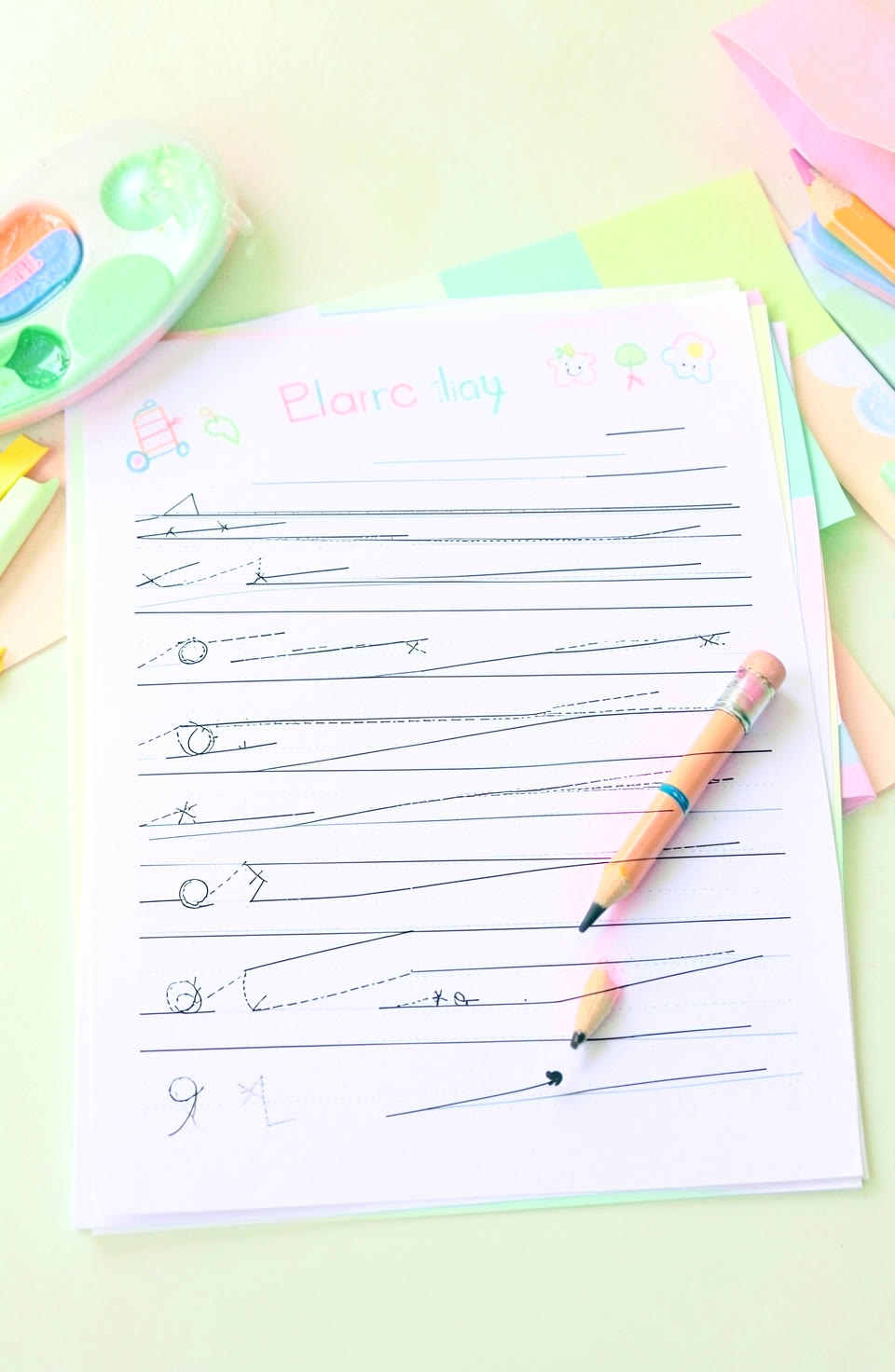

When kids learn to write, forming letters the same way each time builds confidence and muscle memory. This article explains how letter stroke order matters in early learning and why it supports clear handwriting skills as your child grows.
What Is Letter Stroke Order?
Letter stroke order refers to the sequence in which a child draws each letter. For example, when writing an “M,” the strokes start at the top and move down to form the middle lines before ending on the right side. Teaching kids to follow this pattern helps them write letters consistently.
Why Consistent Stroke Order Matters
When children learn letters using a clear stroke order, they develop habits that make writing easier over time. Writing in the same way each time allows their hand and eye to work together smoothly. This consistency also makes it easier for adults or teachers to recognize what your child is trying to write.
How It Supports Handwriting Skills
As kids move from learning letters to forming words, consistent stroke order helps them transition more easily. When they know how to make each letter properly, their handwriting becomes clearer and neater. This makes it simpler for them to write longer sentences as they grow.
Building Confidence Through Repetition
Repeating the same letter formation using a clear stroke order gives children a sense of control. They learn that there’s only one correct way—well, not exactly—but a standard pattern that helps them feel confident in their writing. This reduces frustration and builds a positive attitude toward learning to write.
Making Learning Fun Without Pressure
When kids practice letters with clear stroke order, they don’t have to rush or guess how to form each letter. This makes the process less stressful for both child and caregiver. It also helps them enjoy the act of writing rather than focusing on making mistakes.
Frequently asked questions
Does it matter if my child writes letters differently from mine?
It’s okay for your child to write a little differently as long as they follow a clear, consistent pattern. What matters is that they learn how to form each letter properly so their handwriting can grow with them.
How do I know if my child is forming letters correctly?
Look for whether your child starts and ends each letter in the right place and moves in a logical direction. If they seem confused or frustrated, it may help to practice together using a simple stroke order guide.
Can kids still learn letters without following a strict stroke order?
Yes, but learning with a clear stroke order helps them form letters more clearly over time. It makes writing easier and less confusing as they progress.
Consistent letter stroke order is an important part of helping your child build strong handwriting skills. With practice, children learn to write confidently and clearly. Milo ABC: Phonics & Tracing uses this approach to support kids as they explore letters in a calm, focused way.
More from AstroForged