
When children learn to write, forming letters the same way each time builds confidence and precision. This article explains why stroke order is important and how it supports early writing development.
What Is Stroke Order?
Stroke order refers to the sequence in which a child draws each letter. For example, when writing an “A,” the first stroke starts at the top and moves down, then the second stroke goes up and back, and so on. Teaching children this consistent pattern helps them write more clearly and efficiently as they grow.
How It Helps with Handwriting
When kids learn to form letters in the same way every time, their handwriting becomes more legible. This consistency also makes it easier for teachers and parents to identify when a child is struggling or making mistakes. A clear stroke order helps reduce confusion between similar-looking letters like “b” and “d. “
Building Confidence Through Repetition
Repeating the same stroke order allows children to practice without frustration. When they know exactly where to start and how each letter should look, they feel more in control of their writing. This sense of accomplishment encourages them to keep trying and improves their overall skill over time.
Supporting Early Writing Skills
Learning stroke order helps young learners develop fine motor skills. It also strengthens hand-eye coordination and muscle memory, which are important for all kinds of writing tasks. These foundational skills will support your child as they move on to more complex writing activities in school.
Making the Process Fun and Engaging
While it’s important to focus on accuracy, the process should still be enjoyable. Using tools that guide children through each stroke step by step can make learning feel like a game rather than a chore. A calm, supportive environment helps kids stay focused and motivated as they practice.
Frequently asked questions
Should I worry if my child writes letters differently each time?
It’s normal for young children to experiment with how they form letters. As long as they are using a consistent stroke order most of the time, it’s okay. Focus on encouraging and praising their efforts rather than correcting every small mistake.
How can I help my child practice letter formation at home?
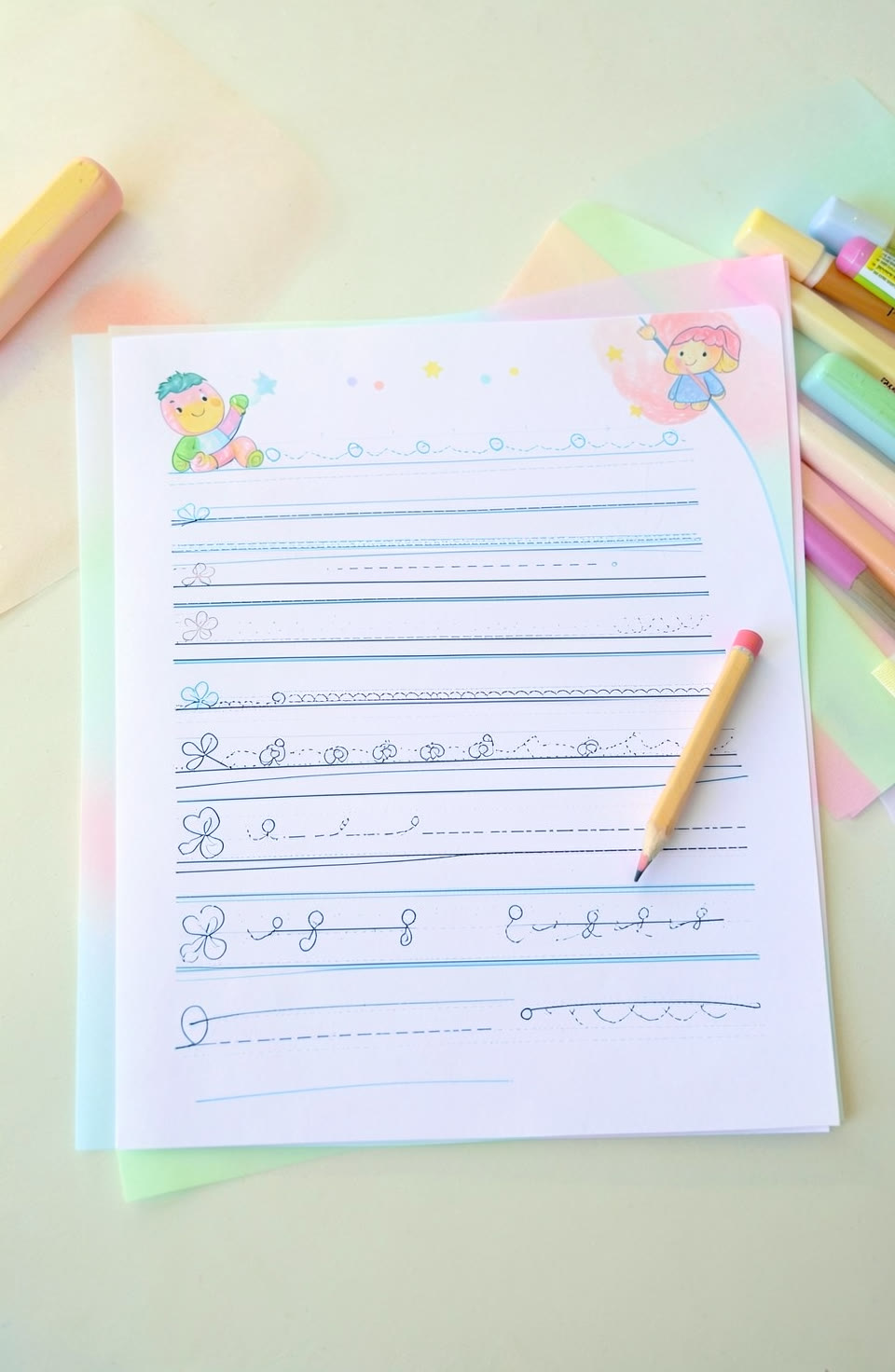
Use paper, pencils, and tracing tools to guide your child through each letter. You can also use visual aids like charts that show the correct stroke order for each letter. Encourage them to say the letter name aloud as they write to reinforce what they’re learning.
What if my child gets frustrated with forming letters?
Let them know it’s okay to take time and make mistakes. Break down each letter into smaller steps, and celebrate small progress. A patient and encouraging attitude will help your child feel more confident as they practice.
Teaching children a clear stroke order helps them write more clearly and confidently. Tools like Milo ABC: Phonics & Tracing can support this process by providing step-by-step guidance without pressure or distractions.
More from AstroForged