
Many kids confuse the letters b and d. This is normal for young learners. Here’s how you can support your child as they learn to read.
What Is B And D Reversal?
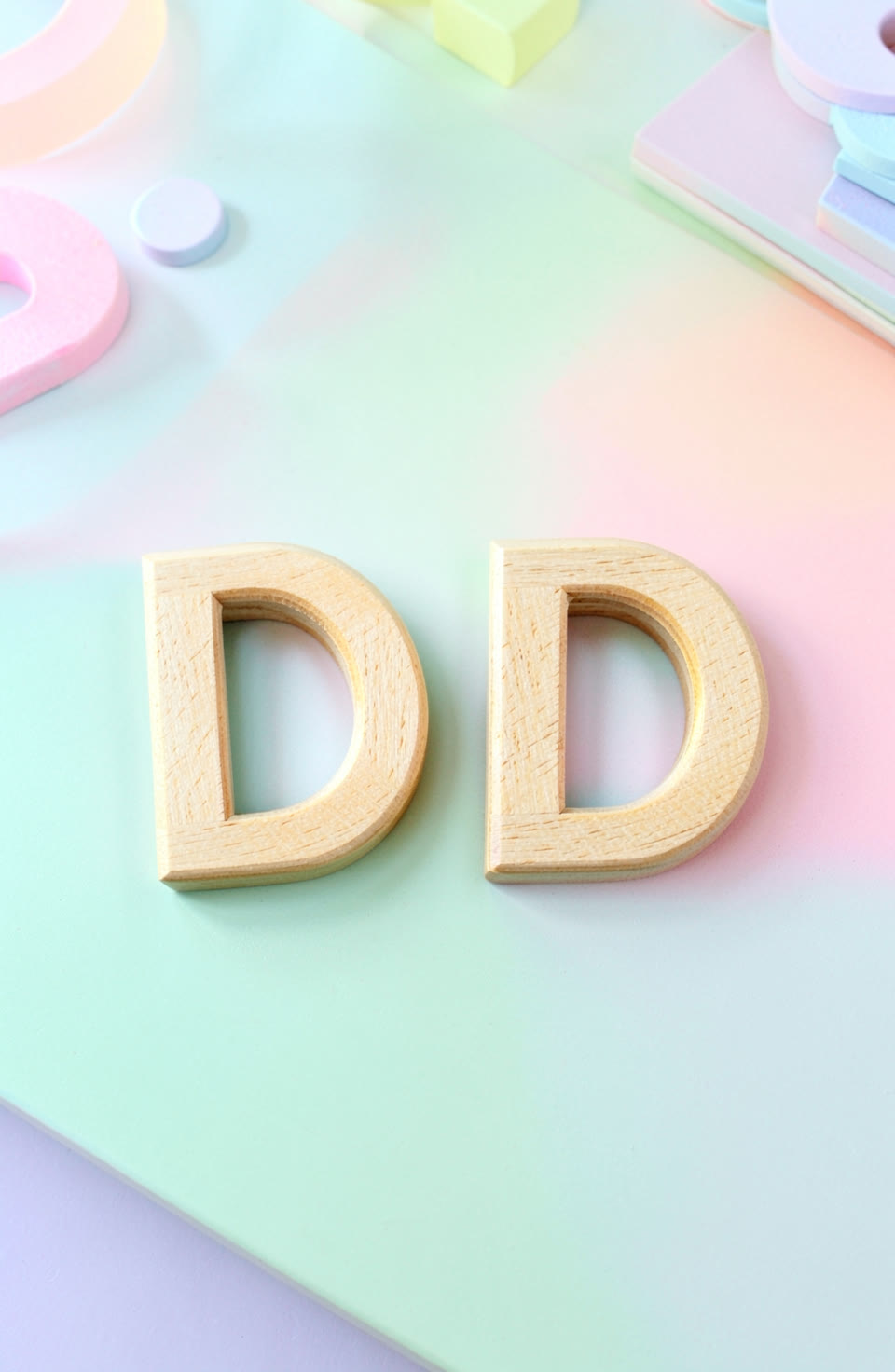
B and d reversal happens when a child writes or reads the letter b like a d, or vice versa. It’s common in early reading development. This mix-up often happens because young children are still learning how letters look and how they’re formed. They may not yet understand that each letter has its own unique shape.
Why Do Kids Mix Up B And D?
The shapes of b and d are similar, which can make them confusing for a child just starting to learn letters. Both have a loop, but the direction of the line is different. A child might not notice that one starts on the left and the other on the right. This confusion can happen with other letter pairs too, like p and q.
How Can You Help Your Child Learn The Difference?
One way to help your child learn the difference between b and d is to use visual cues. For example, you can show them that the b starts on the left side of the paper, while the d starts on the right. Practice writing both letters together so they become more familiar with their shapes.
Use Real-Life Examples To Reinforce Learning
Point out examples of the letter b and d in everyday life. Look for words like “ball” or “dog. ” You can also use toys or objects that start with these letters to make learning fun. This helps your child connect the letters to real-world items, making it easier for them to remember their shapes.
Be Patient And Encourage Practice
Learning to read takes time and patience. Your child may mix up b and d at first, but this is a normal part of the process. Keep encouraging them with positive reinforcement. Praise their effort rather than just their results. Let them know it’s okay to make mistakes as they learn new skills.
Frequently asked questions
How long does it take for kids to stop mixing up b and d?
Every child learns at a different pace. Some may get the letters right quickly, while others take more time. It’s important to be patient and keep practicing with your child.
Can I use games to help my child learn the difference between b and d?
Yes, playing simple games like matching or sorting can be a fun way to reinforce letter shapes. Use cards with letters and ask your child to find the correct one. This makes learning feel more like play than work.
Are there specific activities that help with letter reversal?
Activities such as tracing letters, using magnetic letters, or drawing them in the air can be helpful. These hands-on methods make it easier for children to understand how each letter is formed.
Supporting your child as they learn to read is a rewarding journey. Small steps and consistent practice help build confidence. Milo ABC: Phonics & Tracing offers simple, focused learning that supports this process without pressure or distractions.
More from AstroForged