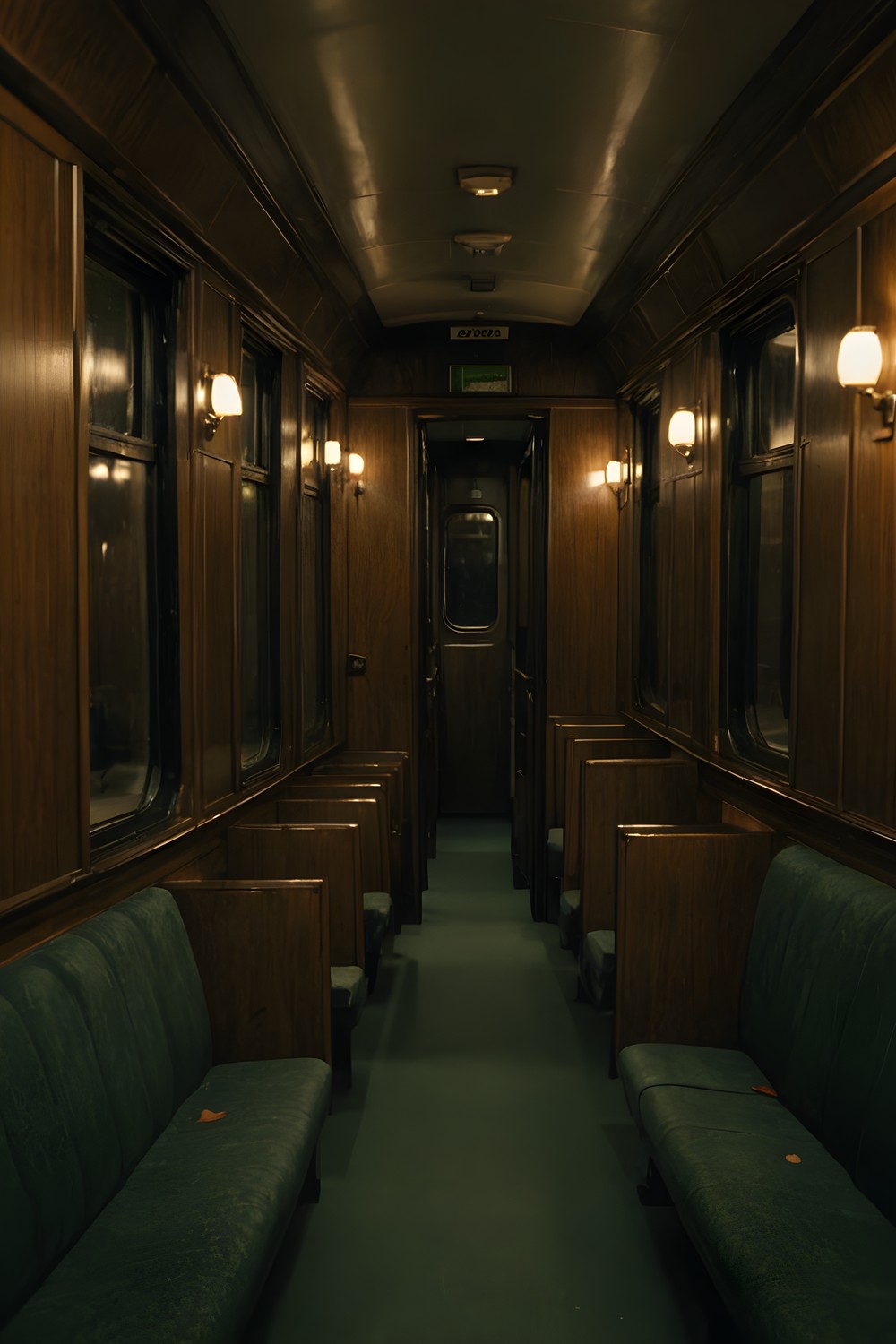
The Quiet Carriage is a slow, atmospheric train mystery game set aboard the 21. 50 sleeper in March 1974. You wake at 02:35 in a berth you never booked, under a coat that is not yours, and the train will not stop. This introduction sets the scene without going any further than the Coach B corridor.
Train 1S27, the 21. 50 sleeper
The setting is train 1S27, the 21. 50 sleeper, on a night in March 1974. It is an overnight service of sleeping compartments and long corridors, and on this particular night the train has not stopped.
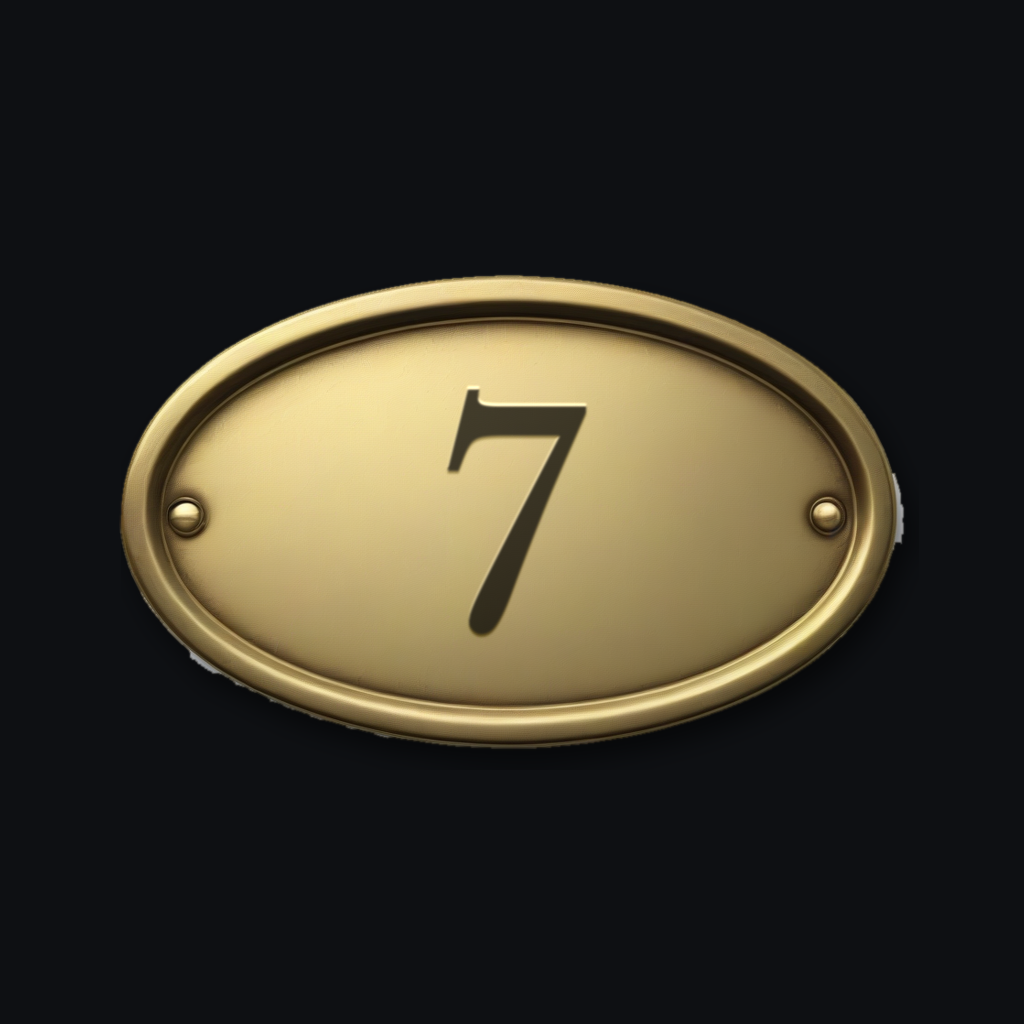
You are not where you expected to be. You wake at 02:35 in Compartment 7 of Coach C, in a berth you never booked, under a coat that is not yours. Nobody explains how you got there. The only way to find out is to look around.
That is the whole setup, and it is enough. The Quiet Carriage is a hidden object mystery, so the story comes to you through the things you find, the notes you read and the clues you connect, one compartment and one corridor at a time.
Waking in Compartment 7
Compartment 7 is the first room you search, and it sets the tone. Inside, the sound of the train is muffled, as it would be behind a closed door, and the picture sways gently in time with the rail joints passing underneath.
In each space, your task is to find the objects on your list. Some of what you pick up goes into your inventory, and the narrated journal keeps a record of what you have learned so far. If you want to hear a journal page again, the Hear this page option reads it aloud.
There is a quiet satisfaction in this opening. You are not racing anything. You are simply a person in a strange berth on a moving train, trying to make sense of the small things around you.
Into the corridors of Coach C and Coach B
Step out of the compartment and the sound opens up. The wheels are clearer in the corridors, and there is no music at all, by design. The only score is the train itself running over the rail joints, plus the ambient sound of each space.
Keep an eye on the windows. The dark glass reflects the lit coaches behind the train, and when the train enters a tunnel, the reflection goes black. It is a small touch, but it makes the night outside feel close.
You will find doors that will not open yet. Trying one still gives you a line of narration, so no click is wasted, but we will leave those lines for you to hear yourself. The first two chapters take you from Compartment 7 through the Coach C corridor and along the Coach B corridor, and that is as far as this introduction goes.
How searching and deducing work
The object list works like a queue. It shows up to six names (five in Coach B) in a fixed order for that room, and each name you find is replaced by the next. You can only find what is currently listed, which keeps every search focused.
Mistakes cost nothing. Tapping the wrong thing, or something not yet on the list, carries no penalty, and there is no score to worry about. Double-tap to zoom in to 2x, or pinch to zoom up to 2. 5x. The list fades while you are zoomed, so you can see the floor beneath it.
When you are stuck, the hint always points to the next step, whether that is an object, a door, a key to use or a thread to pull. Alongside the searching, you pin clues together on a real deduction board. You can drag a card by its body to move it, and the game remembers where you put it.
Settings worth knowing on day one
Subtitles are always on. Highlight interactables draws a frame around every object currently on your list, and Object silhouettes places each listed object's cut-out shape next to its name. Both make searching easier without giving the mystery away.
Readable font switches the interface and every document, handwriting included, to Atkinson Hyperlegible, and straightens the tilted handwritten lines. If the gentle sway of the picture bothers you, Settings, then Reduce motion, turns it off. Sound check plays a test effect and a narration line, which is handy before you settle in with headphones.
There are two difficulties, Casual and Expert. The only difference is how quickly the hint recharges: 60 seconds on Casual and 180 seconds on Expert.
Is The Quiet Carriage for you?
If you like your mysteries slow and atmospheric, with time to look closely and think, this game was made with you in mind. It suits players who enjoy reading notes, noticing details and piecing a timeline together, rather than chasing a clock.
It is also worth knowing how the game is made. The art is AI-generated under close direction from the studio, and the narration uses a text-to-speech voice. Printed items such as the card ticket are set in real typefaces, and no lettering in the game was drawn by the image model. Even the handwriting differs from one writer to the next.
The Quiet Carriage is live on Google Play.
Frequently asked questions
Does this introduction spoil the mystery?
No. It covers only the opening, from waking in Compartment 7 through the Coach C and Coach B corridors. Everything beyond that is left for you to discover.
Is there any music in The Quiet Carriage?
No, by design. You hear the train's wheels over the rail joints and the ambient sound of each space. The sound is muffled inside Compartment 7 and clearer in the corridors.
What is the difference between Casual and Expert?
Only the hint recharge time: 60 seconds on Casual and 180 seconds on Expert. Otherwise, both difficulties play the same way.
The Quiet Carriage begins with a simple question: how did you end up in Compartment 7 at 02:35? Put on some headphones, take your time and let the train set the pace.
More from AstroForged