Sight word games turn the small, everyday words children see constantly, like the, said, and was, into something to hunt, toss, and match instead of drill. You don't need special supplies, just paper, a marker and a few spare minutes. Here are playful ideas that work at home or in a homeschool day, plus ways to keep practice light enough that your child asks for more.
Why play works for the common words
Sight words are the short, frequent words that turn up in almost every sentence: the, and, is, you, said, of. Some sound out neatly. Others, like said or of, don't follow the usual patterns, so children need to see them many times before they can read them at a glance.
Play gives you that repetition without it feeling like a test. Ten flashcards in a row feels like a quiz. Ten words hidden around the living room feels like a treasure hunt. The words are the same, but your child's mood is very different.
Start with a small handful, three to five words at a time. Add a new word only once the others feel easy. A child who gets lots of wins stays willing to keep playing.
Games that get kids moving
Word hop: write each word on a paper plate or a sheet of paper and spread them across the floor. Call out a word and your child hops to it. Then swap, so your child calls the words and you hop. Reading a word to tell you where to go still counts as practice.
Flashlight hunt: tape word cards to the walls, dim the lights, and hand over a flashlight. Name a word and let your child find it in the beam. Swat it works the same way. Lay the cards on a table and give your child a clean fly swatter to swat the word you say.
Sock toss: roll up a pair of socks and toss it onto a grid of word cards. Whoever throws reads the word it lands on. Little ones who can't sit still often focus better when their whole body is part of the game.
Quiet games for the kitchen table
Memory match: make two cards for each word and lay them face down. Each time a card is flipped, read the word out loud. Start with four pairs and add more as your child gets comfortable.
Word fishing: play a simple version of Go Fish where each pair is a sight word. Asking "Do you have said? " means your child reads and says the word over and over without thinking of it as practice.
Bingo: draw a three-by-three grid and write a word in each square. Call the words and use dry pasta or paper squares as markers. Older siblings can take turns as the caller.
Silly sentences: write a short sentence using words your child knows, such as "The cat is on the," and let them pick or draw a funny ending. Seeing sight words inside real sentences helps them carry over into books.
Write it, build it, trace it
Making a word by hand gives children another way to remember it. Try writing words with a finger in a tray of salt or sand, in shaving cream spread on a baking sheet, or with playdough rolled into snakes. For rainbow writing, your child traces the same word several times in different colors.
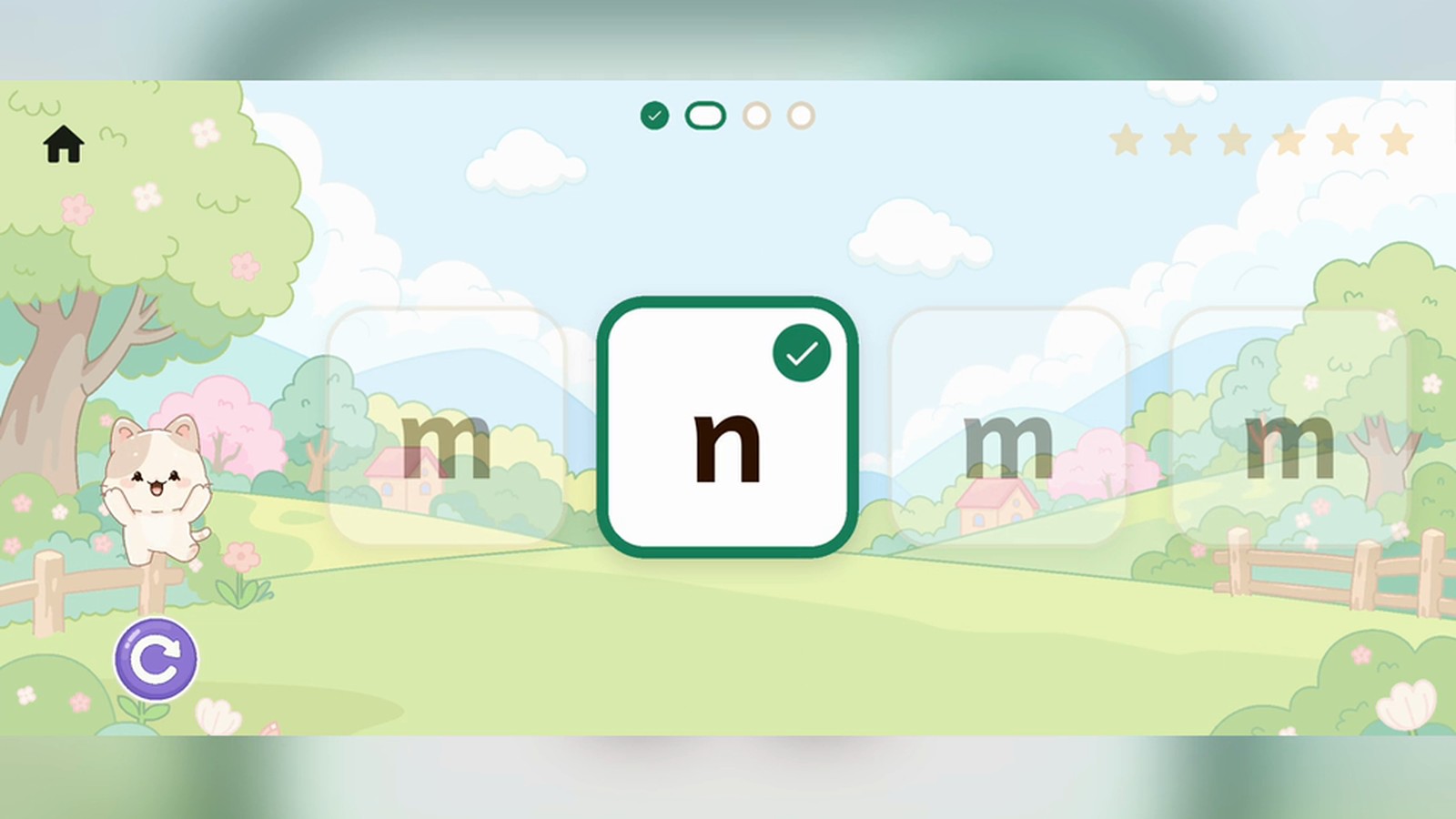
As they write, pay gentle attention to how each letter is formed: where the pencil starts and which way it moves. Good habits are easier to build early than to undo later. If you'd like screen practice that watches for this, Milo Learn checks stroke order, not just the finished shape, and includes a left-handed mode. It has no ads, no accounts and no tracking, and it works completely offline.
Keep it short, kind and low-pressure
A few minutes is plenty for young children. Stop while they're still having fun, so the next session starts with excitement and not resistance.
When your child gets stuck on a word, just tell them what it is. This is play, not an exam. Hearing the word again and then finding it a moment later is still useful practice.
Praise specific progress, like "You read that one all by yourself. " Look for sight words out in the world too: on cereal boxes, street signs and the pages of a favorite picture book. Asking a child to find every "the" on a page is a small game you can play anywhere.
Making it work for homeschool and mixed ages
With more than one child, give each a role. An older child can write the cards or call the words while a younger one hunts, hops or matches. Both get practice, and the older one gets to feel like a helper.
Keep a word jar for the words your child knows well. Pull out a few each day to review alongside the new ones, so the earlier words stay fresh.
Change the game every week or so to keep it new. A simple list with a check mark each time a word is read easily on a different day gives you a quick picture of progress without turning it into a test.
Frequently asked questions
How many sight words should my child work on at once?
A small handful, usually three to five, is enough. Add a new word once the current ones feel easy, and keep mixing in words your child already knows so practice ends on a success.
What age is right for sight word games?
It depends on the child. Many children enjoy these games once they know some letters and show interest in books. For three-year-olds, simply pointing out a familiar word while you read together is a fine place to start. Follow your child's lead and don't rush.
Should sight words replace phonics?
No. They work well alongside each other. Many sight words are partly decodable, so point out the parts that follow familiar sound patterns and treat only the tricky part as something to remember.
A few minutes a day of hopping, hunting and matching can make the common words feel like old friends to your child. If they'd also like to practice writing those words, Milo Learn offers calm handwriting exercises that run offline and keep everything on the device.
More from AstroForged