Cooking from a recipe can be tricky when measurements are mixed. This article helps you convert cups to grams without stress or waste. Whether you’re short on time or ingredients, you’ll find clear steps and practical advice for everyday cooking.
Understanding Cups And Grams
Cups and grams measure different things. A cup is a volume measurement used in baking and cooking. Grams are a weight measurement that tells how much something weighs. For example, 1 cup of flour weighs around 120 grams, but 1 cup of sugar can be up to 200 grams. This difference matters when you’re following a recipe or trying to avoid waste.
It’s easy to mix up the two if you’re not careful. A recipe might say ‘2 cups of sugar’ but your scale only has grams. That’s where this guide comes in. You’ll learn how much each cup weighs, depending on what you’re measuring. Whether it’s flour, sugar, or something else, we’ve got a simple way to convert.
Common Kitchen Conversions
Here are some common conversions you might use while cooking. 1 cup of all-purpose flour is about 120 grams. 1 cup of granulated sugar weighs around 200 grams. If you’re using brown sugar, it’s a bit heavier—about 220 grams for one cup. For butter or margarine, 1 cup equals approximately 227 grams.
When working with liquids, like milk or oil, the weight can vary slightly, but they’re often used in recipes by volume. For example, 1 cup of water weighs about 240 grams. If you need to measure something more precise, always use a scale for accuracy and consistency.
Why Accurate Measurements Matter
Small mistakes in measurement can change the outcome of your dish. Over or under-measuring ingredients can lead to dry cakes, runny sauces, or bread that doesn’t rise properly. Using grams instead of cups helps you get closer to the right amount each time.
When you’re cooking for a group, or working with limited ingredients, precise measurements make sure nothing is wasted. It also helps when you’re following recipes that use different units—whether it’s from a book, an app, or a website. Having a clear conversion guide means you can cook confidently without confusion.
Tips For Making Conversions Easy
You don’t need to memorise every conversion by heart. Keep a list on your phone or in your notebook for quick reference. If you’re using a kitchen scale, it’s better than guessing with cups. It also helps if you label your containers with the weight of each ingredient.
When cooking, always measure ingredients as you go. This way, you avoid running out mid-recipe and reduce waste. You can also use common household items to estimate weights when you’re in a pinch—like using a teaspoon or tablespoon for small amounts.
How To Use A Scale For Better Results
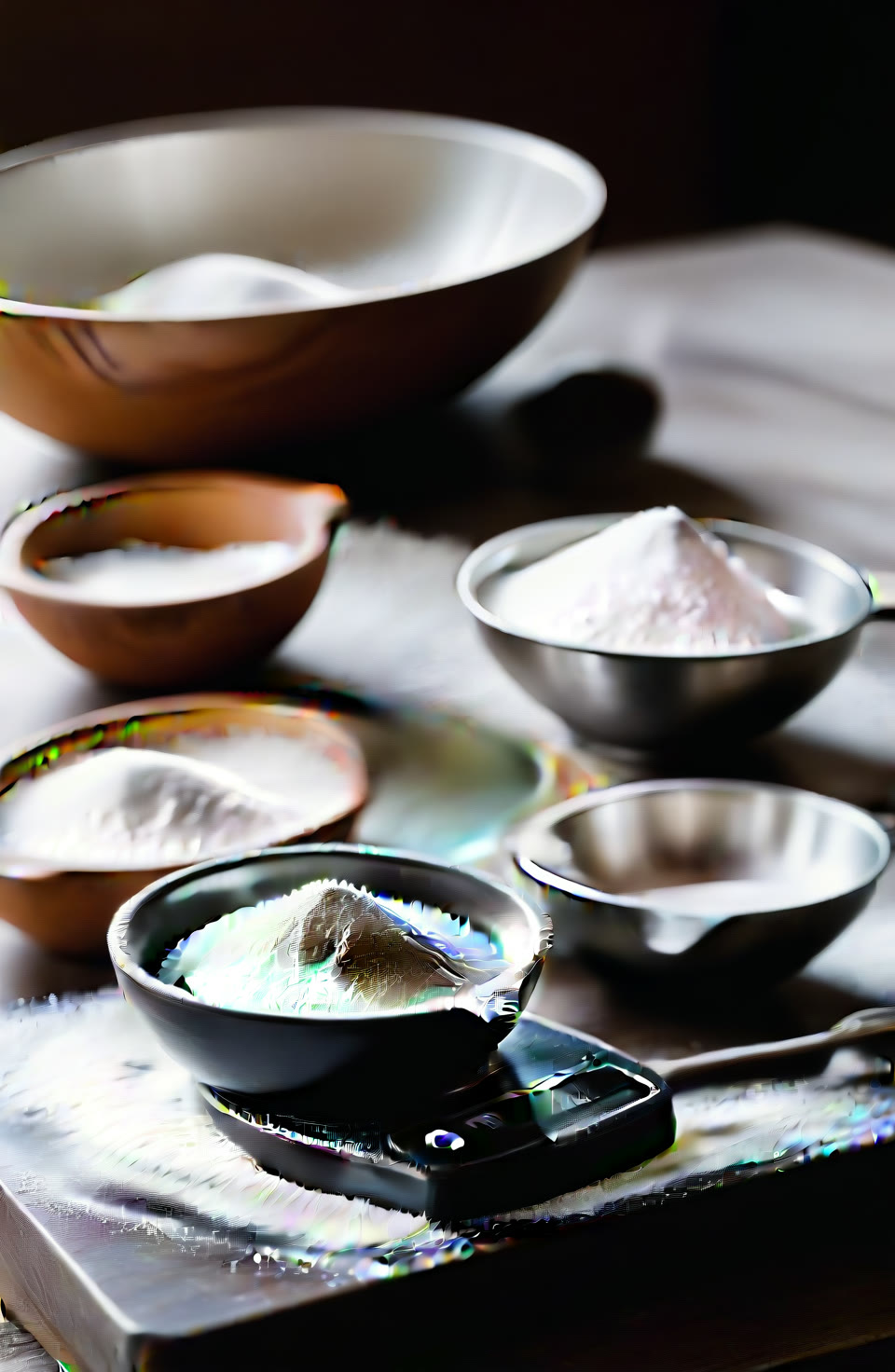
Using a kitchen scale is the most accurate way to measure ingredients. It helps you avoid the guesswork that comes with measuring cups. Scales can be found in most kitchens and are especially useful when making baked goods, sauces, or anything where precision matters.
If you’re using an app like CookIt, you can rely on its built-in conversion tools for accurate measurements. The app asks what ingredients you have, not how much—making it simple to follow a recipe without needing exact weights all the time.
Frequently asked questions
How do I convert cups to grams if I don’t have a scale?
You can use standard conversions as a guide. For example, 1 cup of flour is about 120 grams. But always double-check with a scale for accuracy and consistency in your cooking.
What’s the best way to measure ingredients without waste?
Measure as you go and use precise tools like scales or measuring cups. This helps avoid using more than needed and cuts down on food waste, especially when working with limited ingredients.
Can I trust these conversions for all recipes?
These are general guidelines. For best results, always check the recipe’s specific instructions and consider using a scale if precision is important. Some ingredients can vary in weight depending on how they’re packed or measured.
Knowing how to convert cups to grams makes cooking easier and more reliable. Whether you’re following a recipe by hand or using an app like CookIt, accurate measurements help you cook with confidence. With the right tools and knowledge, your kitchen will be less stressful and more efficient.
More from AstroForged