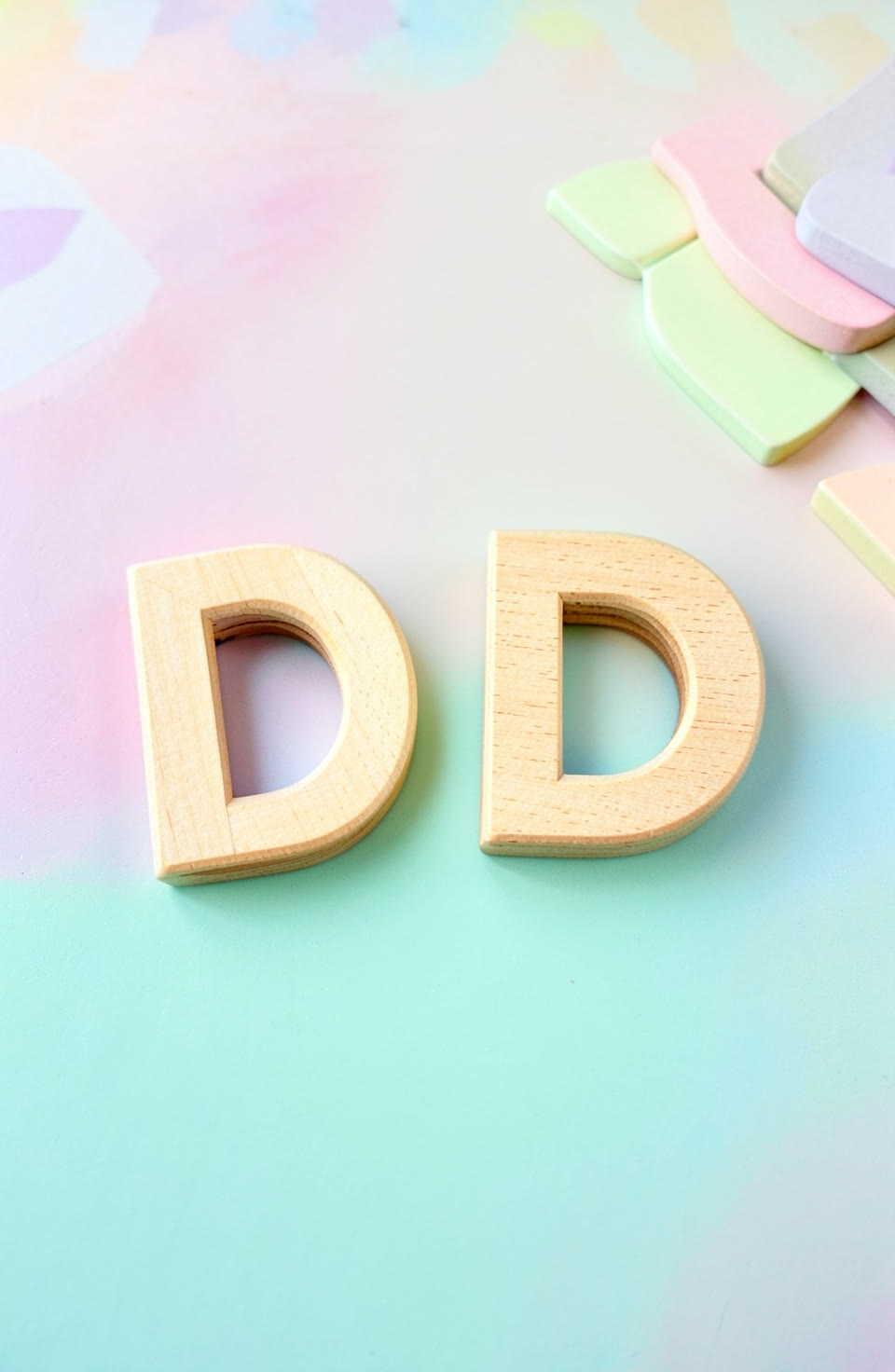

Many kids struggle with mixing up the letters b and d. This is normal at this age. Here’s how you can support your child as they learn to read and write.
What Is B And D Reversal?
B and D reversal happens when a child writes or recognizes the letter b as a d, or vice versa. It’s common for kids between 3 and 6 years old. This is not a sign of learning difficulty, but rather part of early reading development. Most children outgrow this confusion as they gain more experience with letters.
Why Do Kids Mix Up B And D?
Young children are still developing their fine motor skills and visual discrimination. The shapes of b and d look similar when viewed from different angles. Also, the way we say the sounds for these letters can make it hard to tell them apart. For example, both start with a soft “b” sound. This mix-up is part of learning how letters work in writing and reading.
How Can You Help At Home?
Encourage your child to look at the shape of each letter carefully. Use activities like tracing letters or drawing them from memory. Play games that focus on matching shapes, such as finding b’s and d’s in books or everyday objects. Repetition helps reinforce what they are learning.
Use Simple Visual Cues
When writing, use visual cues to help your child remember the difference between b and d. For example, you can draw a small line through the top of a d to remind them it’s not a b. Or make a fun rhyme like “B is for bear, D is for dog” to help with recognition. These reminders are helpful but should be used gently so they don’t become a source of frustration.
Be Patient And Supportive
It’s important to stay calm and encouraging when your child makes mistakes. Focus on the effort they’re putting in rather than just getting it right. Praise them for trying, even if their writing isn’t perfect yet. This builds confidence and helps them keep learning without feeling discouraged.
Frequently asked questions
How long does b and d reversal last?
It usually goes away as children gain more experience with letters and improve their visual discrimination skills. Most kids outgrow this confusion by the time they are 6 or 7 years old.
Should I worry if my child mixes up b and d?
No, it’s a common part of early learning. As long as your child is practicing and making progress, there’s no need to be concerned. Talk to their teacher if you have any worries about how they’re learning.
How can I help my child learn the difference between b and d?
Practice with tracing, drawing letters, and using simple rhymes or songs that highlight the shapes of each letter. Encourage your child to look at the shape carefully and repeat the letter names often.
Supporting your child as they learn to write and read is a gentle process. Small steps and consistent encouragement make a big difference. For extra help, Milo ABC: Phonics & Tracing offers simple, focused learning without distractions or pressure.
More from AstroForged