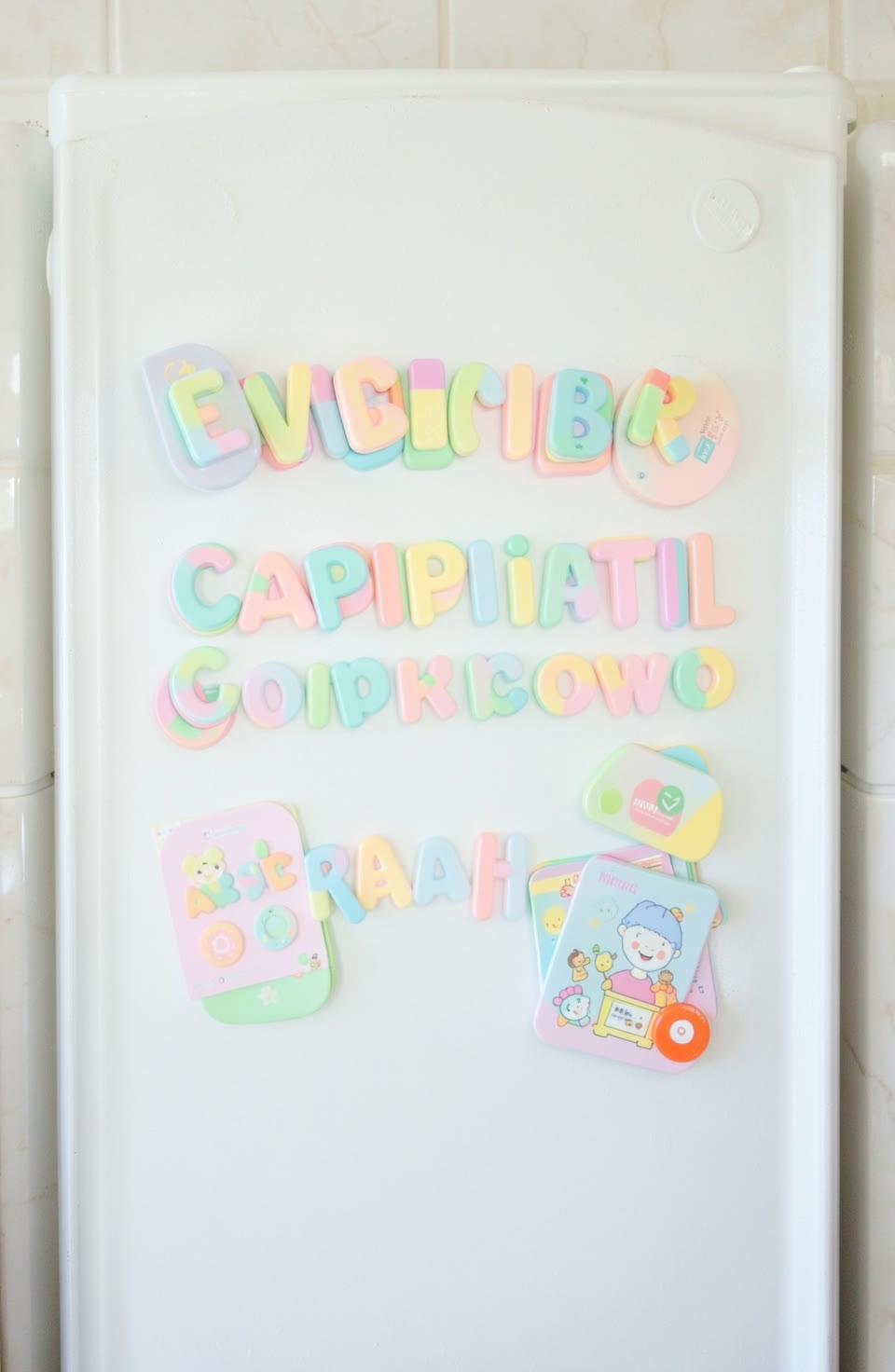

Understanding letter pairs is an important first step in learning to read and write. This article explains how children learn capital and lowercase letters, and offers practical advice for helping them along the way.
Why Do Kids Start With Capital Letters?
Children often begin by learning capital letters because they are easier to form and more visually distinct. Teachers and parents use large, bold shapes that help young learners recognize letters quickly. These clear forms make it simpler for kids to focus on the basics before moving on to lowercase letters.
How Do Kids Learn To Read Lowercase Letters?
As children grow in their writing skills, they gradually learn to write and read lowercase letters. These are more varied in shape and can be trickier to form. Reading books with lowercase letters helps kids become familiar with the way letters look when used in real words.
What Are The Benefits Of Learning Both Letter Forms?
Knowing both capital and lowercase letters is essential for reading and writing. Capital letters are often used at the beginning of sentences, while lowercase letters make up most of the text in books and stories. Understanding these differences helps children read more smoothly and write with confidence.
How Can Parents Help At Home?
Parents can support their child’s learning by using everyday opportunities to practice letter recognition. Reading aloud together is a great way to expose kids to both forms of letters. You can also use flashcards, puzzles, or drawing activities that include both capital and lowercase letters.
What If My Child Mixes Up The Letters?
It’s normal for young children to mix up capital and lowercase letters at first. This is part of the learning process. Encourage your child without correcting them too much, especially during playtime or casual reading sessions. Focus on positive reinforcement and keep practice fun.
Frequently asked questions
Should I worry if my child can’t tell the difference?
It’s normal for young children to mix up capital and lowercase letters at first. This is part of the learning process, and most kids will sort it out with time and practice.
How can I help my child recognize both letter forms?
Use books, games, and activities that show both uppercase and lowercase letters side by side. Reading together and pointing out different uses for each form helps reinforce what your child is learning.
Learning capital and lowercase letters is an important milestone for young learners. A simple, fun approach makes the process easier for both parents and children. The Milo ABC app supports this learning through clear instructions and no pressure to perform.
More from AstroForged