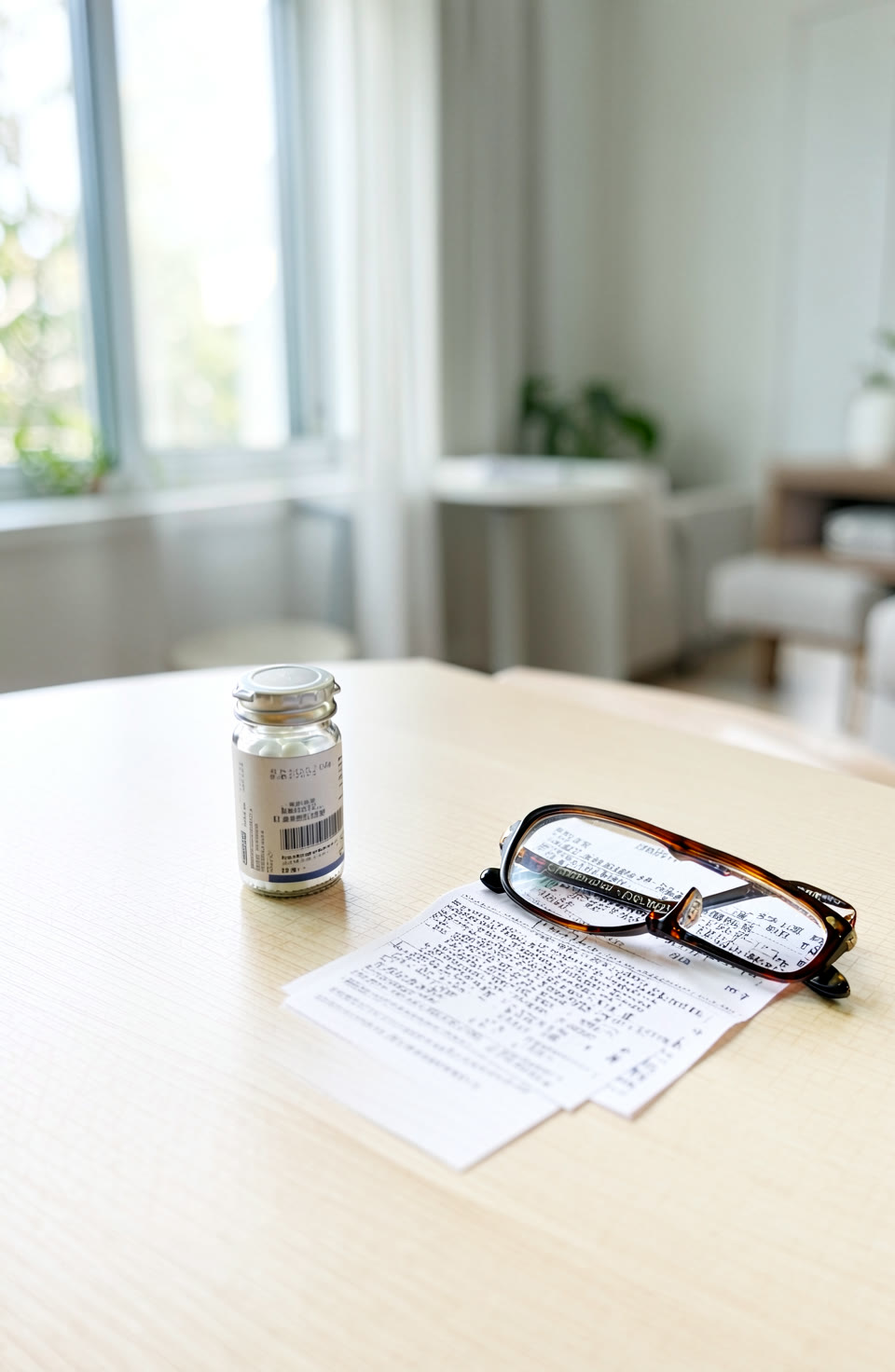

Tiny print can be hard to read without glasses. Here’s how to make it easier using everyday tools and a free app that helps you measure precisely.
Use A Magnifying Glass Or Lense
If the text is very small, use a magnifying glass or a lense from a pair of binoculars. Hold it close to your eye and slowly move it away until the print becomes clear. This works well for short periods and can help you read labels or serial numbers without needing glasses.
Use A Ruler To Estimate Size
If you need to measure small text, use a ruler. Place the ruler next to the print and estimate how many millimetres it takes up. For example, if the print is about 2mm high, that’s very tiny. This helps when checking specifications or comparing sizes on receipts.
Use A Level To Align Your Eye
Hold a level horizontally in front of your eye to help align your vision. The straight line can act as a guide, making it easier to focus on small details. This is especially useful if you’re trying to read something from an angle or at a distance.
Use A Compass To Find Direction
If the text is on a map or label that’s not aligned with your eye, use a compass to find the right direction. Turn the page so it faces north and look for familiar landmarks or patterns. This can help you locate hidden details or read something more clearly.
Use A Phone App For Extra Help
The Toolkit app has 22 tools in one free app that can help with small print. It uses your phone’s sensors to measure, level and estimate distances without needing an internet connection.
Use Natural Light For Better Clarity
Read in bright natural light rather than artificial lighting. The contrast between the text and background can make a big difference when trying to see small details. Avoid reading in dim or flickering lights as this makes tiny print even harder to focus on.
Take A Break If You’re Struggling
Reading small print for long periods can cause eye strain, especially without glasses. If you’re having trouble seeing clearly, take a short break and try again later. This gives your eyes time to rest and improves your ability to read tiny details when you return.
Use A Magnifier From A Pair Of Binoculars
Some binoculars have a magnifier that can be used for close-up work. Look for models with a 10x or 20x zoom feature, which can help make small text more readable. This is useful if you’re working on receipts or labels and need to read them without glasses.
Use A Mirror For Better Angle
Place a mirror next to the text so that you can look at it from a different angle. This helps reduce eye strain and makes reading easier for short periods. Mirrors are also useful if you’re trying to read something on a curved surface or at an awkward height.
Frequently asked questions
Can I use my phone camera to zoom in on small print?
For better results, use tools like a magnifying glass or a free app that measures with your phone’s sensors.
What if I still can’t read the tiny print after trying these tips?
If you keep struggling to see small text, it might be a sign of needing glasses. Consider visiting an optician for a proper eye test and prescription.
How do I know if the app is right for me?
The Toolkit app uses your phone’s sensors to help with measuring and alignment.
Reading tiny print doesn’t have to be difficult. A few simple tools and a free app can make the task much easier. Whether you’re reading labels or checking serial numbers, these methods help you see clearly when you need to.
More from AstroForged