The Quiet Carriage: Mystery puts you aboard a vintage sleeper train in March 1974: the 21. 50 service, running as train 1S27. You wake at 02:35 in a berth you never booked, under a coat that is not yours, and the train will not stop. This guide covers how the game builds that night from sound, motion, glass and paper, and how to find your way through the first coaches.
A berth you never booked
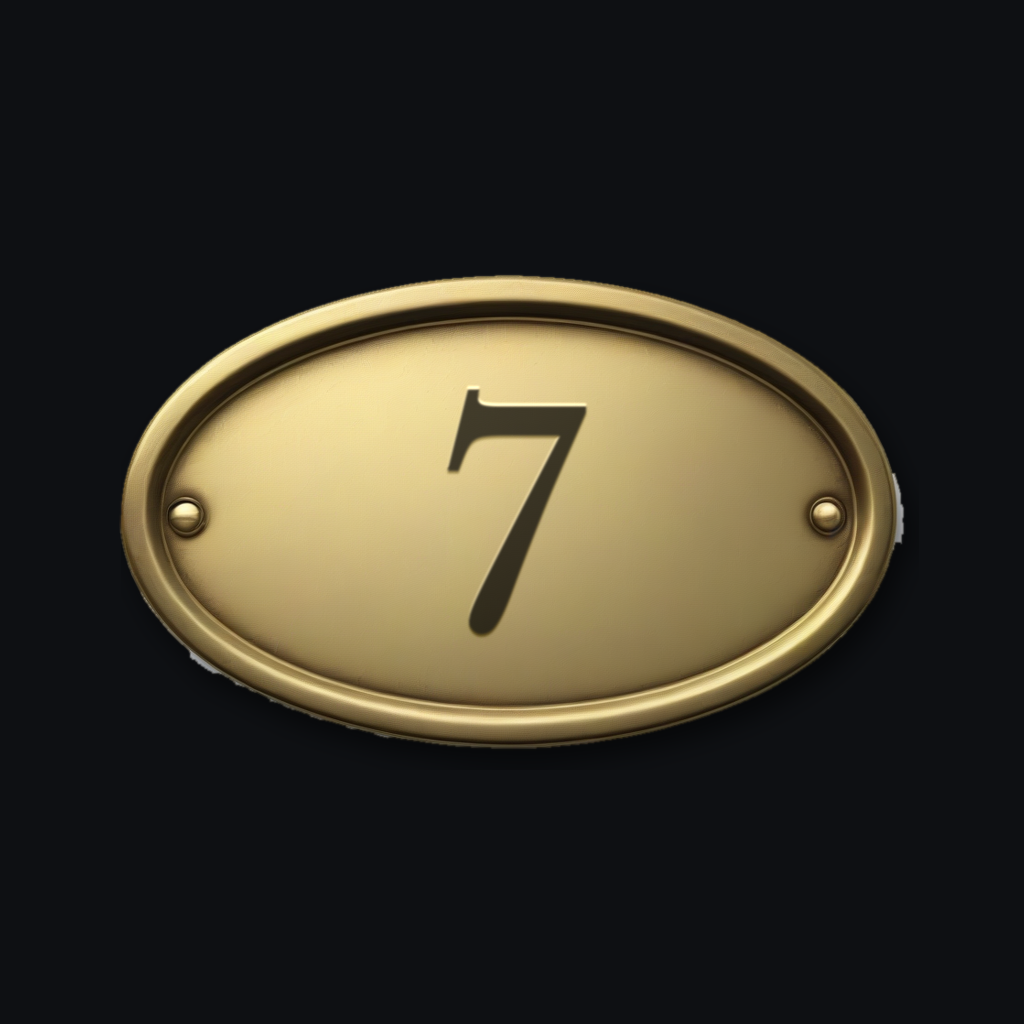
The opening is simple and unsettling. You wake in Compartment 7 of Coach C and the time is 02:35. Nothing in the compartment belongs to you, and outside the train keeps moving through the dark.
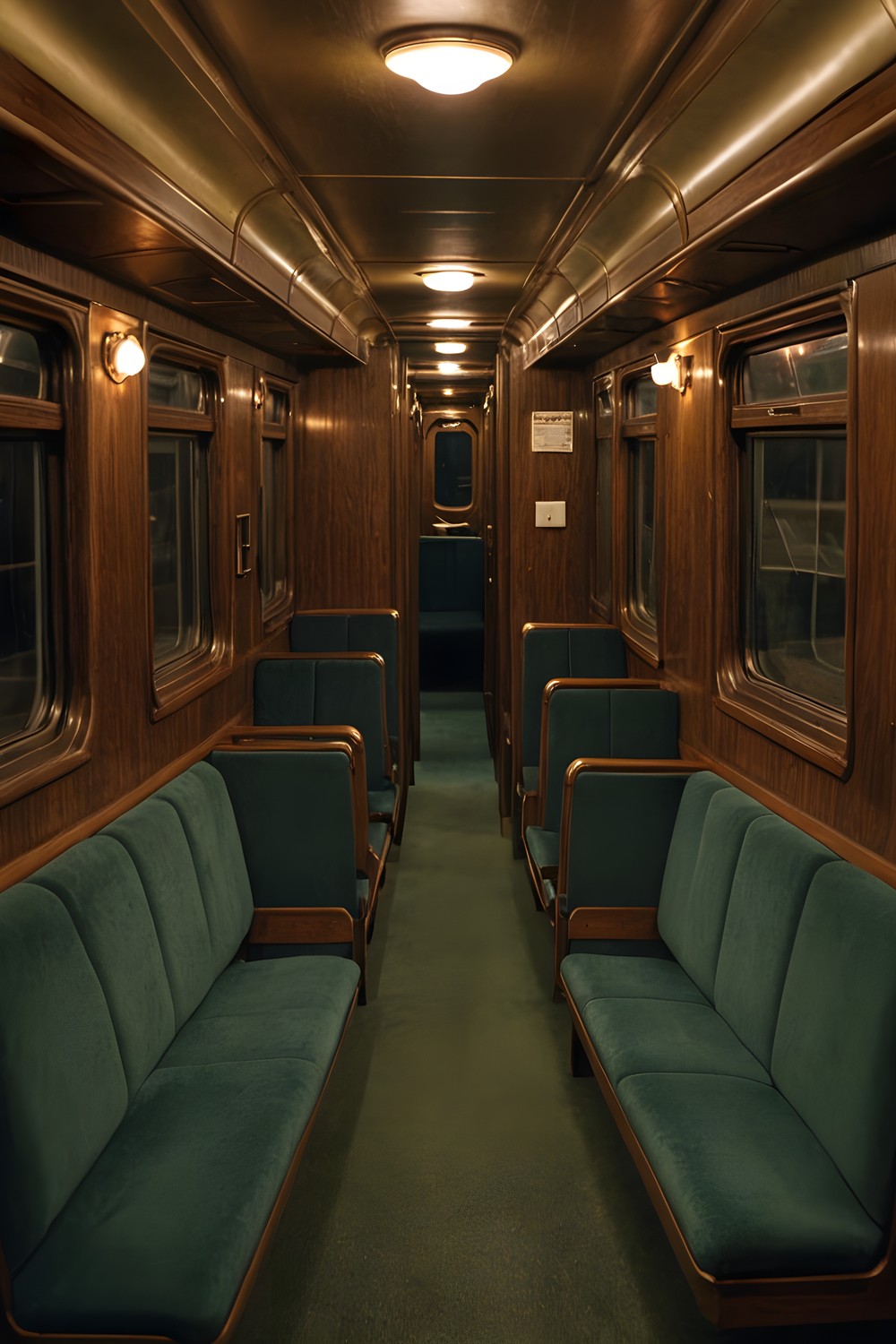
The early chapters keep you close. First you search the compartment, then the Coach C corridor, then the Coach B corridor. That narrow space is the point. You get to know the train the way a half-awake passenger would, one room and one corridor at a time. You have a list of objects to find and a narrated journal that records what you notice.
The sound of 55 mph
There is no music in The Quiet Carriage, by design. The only score is the train itself: the wheels going over the rail joints, plus the ambience of each room.
The wheels sound different depending on where you stand. Inside Compartment 7 the rhythm is muffled and softened, as if you were hearing it through the walls and bedding. Step into a corridor and it opens up, closer and clearer.
In the early chapters the train runs at 55 mph over 60 ft rails. That works out to a little more than one joint a second, a steady beat under everything else. If the audio doesn't seem right on your device, Settings → Sound check plays a test effect and a narration line and reports what the sound engine is doing.
Sway, glass and tunnels
The picture moves with the train. The camera bobs gently in time with the rail joints, matched to the train's speed. It is a small touch, but it does a lot to make you feel you are standing in a moving coach at night. If motion bothers you, Settings → Reduce motion turns the sway off.
Look at the windows too. The dark glass reflects the lit coaches behind the train, so a window shows you more of the train than the room you are standing in. When the train goes into a tunnel, the glass goes black.
Typeset tickets and handwritten notes
The paper in this world is built with care. The card ticket is set in real typefaces by the game's art tools rather than drawn by the image model. The same goes for every printed thing in the game, since none of the lettering was drawn by the image model. Tickets and printed notices stay crisp and easy to read, as print from the period would be.
Handwriting gets the same attention. Each writer in the game has their own hand, so it is worth looking twice at a note and asking who wrote it.
How searching works in the first coaches
Each room gives you a list of objects to find. The list shows up to six names, or five in Coach B, in the room's fixed order. It works like a queue: when you find an object, the next name takes its place. You can only find what is currently listed, so an object that isn't on the list yet will still be there when its turn comes.
Wrong taps cost nothing. Tapping the wrong thing, or an object that isn't on the list yet, carries no penalty, and there is no score to lose. You can search at your own pace.
Double-tap to zoom 2×, or pinch to zoom up to 2. 5×. The object list fades out while you are zoomed in, so you can see the floor under it.
When you get stuck, the hint always knows the next step, whether that is an object, a door, a key to use or a thread to pull. It recharges in 60 seconds on Casual and 180 seconds on Expert, and that is the only difference between the two difficulties. Locked doors still give you a line when you try them, so no tap goes unanswered.
Is this night train for you?
If you like slow, atmospheric mysteries and careful looking, the 21. 50 is built for you. You pin clues together on a real deduction board, and you can drag a card by its body to move it. The game remembers where you put it.
Several settings help you search comfortably. Highlight interactables draws a frame around every object on your list. Object silhouettes puts each listed object's cut-out shape next to its name. Readable font switches the interface and every document, handwriting included, to Atkinson Hyperlegible and straightens the tilted handwritten lines. Subtitles are always on, and you can play any journal page again with "Hear this page".
A note on how the game is made: the art is AI-generated and directed by the studio, and the narration is text-to-speech. The game is out now on Google Play.
Frequently asked questions
Can I stop the screen from swaying?
Yes. Settings → Reduce motion turns off the camera bob that follows the rail joints.
What happens if I tap the wrong object?
Nothing. Wrong taps, and taps on objects that aren't on your list yet, have no penalty, and there is no score to lose.
Does The Quiet Carriage have music?
No, by design. You hear the wheels over the rail joints, the ambience of each room and the narration. Subtitles are always on.
The 21. 50 is a quiet place to spend an evening, and the early coaches reward slow looking and careful listening. Put on headphones, let the wheels set the pace, and see what Compartment 7 has to tell you.
More from AstroForged